
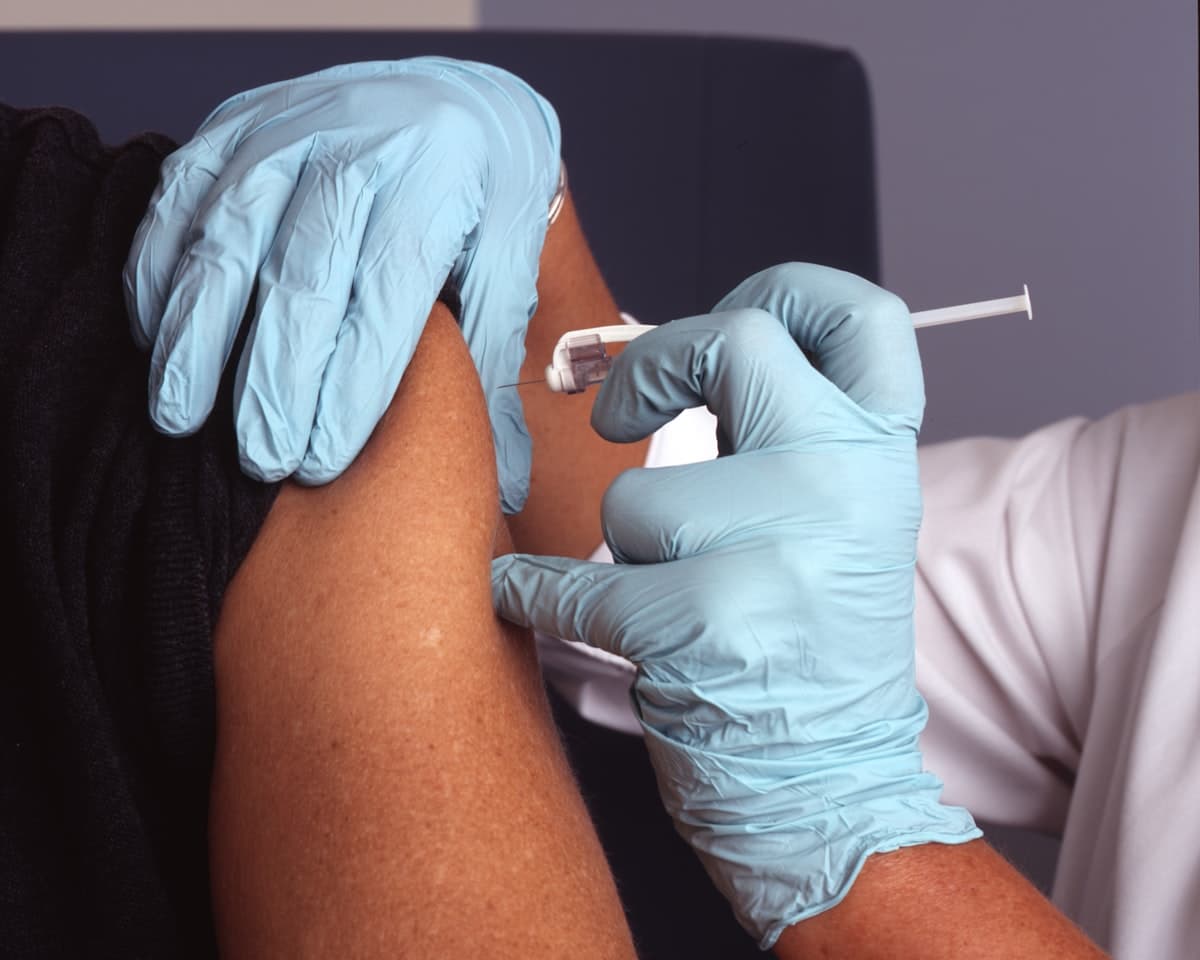
Essential Summary for Patients
- Cervical cancer is almost 100% preventable through HPV vaccination and regular co-testing (Pap + HPV DNA).
- Routine pelvic ultrasound detects asymptomatic ovarian dermoid cysts, uterine fibroids, and adenomyosis early.
- Annual clinical breast examinations starting at 25, followed by biennial digital mammography after 40, saves lives.
- Metabolic health (HbA1c, fasting insulin, Vitamin D, B12, lipid panels) directly governs reproductive and hormonal balance.
The Incalculable Dividend of Early Detection
In the frantic rhythm of modern Bengaluru life—juggling demanding corporate deadlines, domestic responsibilities, and caregiving for aging parents—women possess an unfortunate habit of relegating their own health to last place. Appointments are deferred until pain becomes unmanageable or bleeding becomes frightening.
Preventive medicine fundamentally alters this paradigm. Most gynecological conditions—from precancerous cervical intraepithelial neoplasia (CIN) to enlarging uterine leiomyomas (fibroids) and silent ovarian cysts—develop quietly over years without generating sharp pain. Catching them when they are small and localized allows gentle, conservative management rather than radical emergency surgery.
“A 20-minute annual consultation today protects your next twenty years of vitality, joy, and independence.”
Cervical Cancer: The Disease We Can Eradicate
Cervical cancer remains one of the leading causes of cancer mortality among Indian women, yet it is almost entirely preventable. The human papillomavirus (high-risk HPV strains 16 and 18) causes virtually all cervical precancers over a 10-to-15 year latency period.
At VCUS Genesis, we advocate for combined Pap smear cytology and high-sensitivity HPV DNA co-testing every three to five years between ages 25 and 65. If abnormal cells are caught at the precancerous stage, simple in-clinic procedures eliminate the lesion completely with zero impact on fertility.
Breast Health: Self-Checks to Mammography
We educate every patient on monthly Breast Self-Awareness (conducted 3–5 days after menstruation ends). Any new localized lump, nipple retraction, skin dimpling, or spontaneous serous discharge warrants clinical evaluation.
For women aged forty and older, annual or biennial digital screening mammography paired with breast ultrasound (vital for dense breast tissue common in Indian women) detects microcalcifications years before a lump becomes palpable.
Pelvic Sonography: Seeing Beneath the Surface
A high-resolution pelvic ultrasound (transvaginal or transabdominal) provides an immediate, radiation-free window into your reproductive anatomy. We assess endometrial stripe thickness, evaluate for adenomyotic changes, measure fibroids, and document follicular count.
Your Age-by-Age Preventive Screening Checklist
• In Your 20s: HPV vaccination (up to age 26, or catch-up to 45), annual clinical pelvic examination, baseline thyroid (TSH), hemoglobin, and Vitamin D3.
• In Your 30s: Cervical HPV DNA co-testing every 3–5 years, pelvic sonography if experiencing dysmenorrhea or heavy flow, AMH fertility check if delaying pregnancy, lipid and fasting glucose.
• In Your 40s: Digital mammography every 1–2 years, cardiovascular risk profile (ApoB, hs-CRP, HbA1c), baseline DEXA bone density scan at menopause onset, colorectal screening counseling.
Common Questions About This Topic
Does a Pap smear hurt?
A Pap smear takes less than 60 seconds. You may experience a brief sensation of mild pressure or a slight pinch, but our gentle warming and speculum techniques ensure minimal discomfort.
Can I take the HPV vaccine if I am already in my 30s or married?
Yes. While the vaccine is most effective prior to sexual debut, clinical trials demonstrate that women up to age 45 still derive significant protection against HPV strains they have not yet been exposed to.

Dr. Uma Sheshgiri
Senior Obstetrician & Gynaecologist • Chairman, IMA-AMS Bangalore Chapter
MBBS, DGO, MD (OBG - Bangalore Medical College), Certified Diploma in ART (Germany). Over 45 years of clinical experience, including 15 years Karnataka Government healthcare service. Trained at M.R. Medical College, Bangalore Medical College, and Germany (Certified Diploma in ART), she brings gentle, humanized obstetrics, natural delivery guidance, and conservative fertility care to women in Bengaluru.
Schedule an unhurried consultation with Dr. Uma Sheshgiri
Have questions about your reproductive health, pregnancy journey, or fertility timeline? We provide quiet, dedicated appointments at our New BEL Road sanctuary.